Laparoscopic Sleeve Gastrectomy (LSG)
A procedure where a portion of the stomach is removed, creating a smaller, vertical stomach. Performed laparoscopically in Mumbai & Navi Mumbai for effective, lasting weight loss.
Benefits
Why choose Laparoscopic Sleeve Gastrectomy (LSG)
Why patients and doctors choose this approach for weight loss and metabolic health.
Simpler anatomy
No bypass of intestines; absorption of nutrients remains largely unchanged, reducing certain deficiency risks.
Appetite reduction
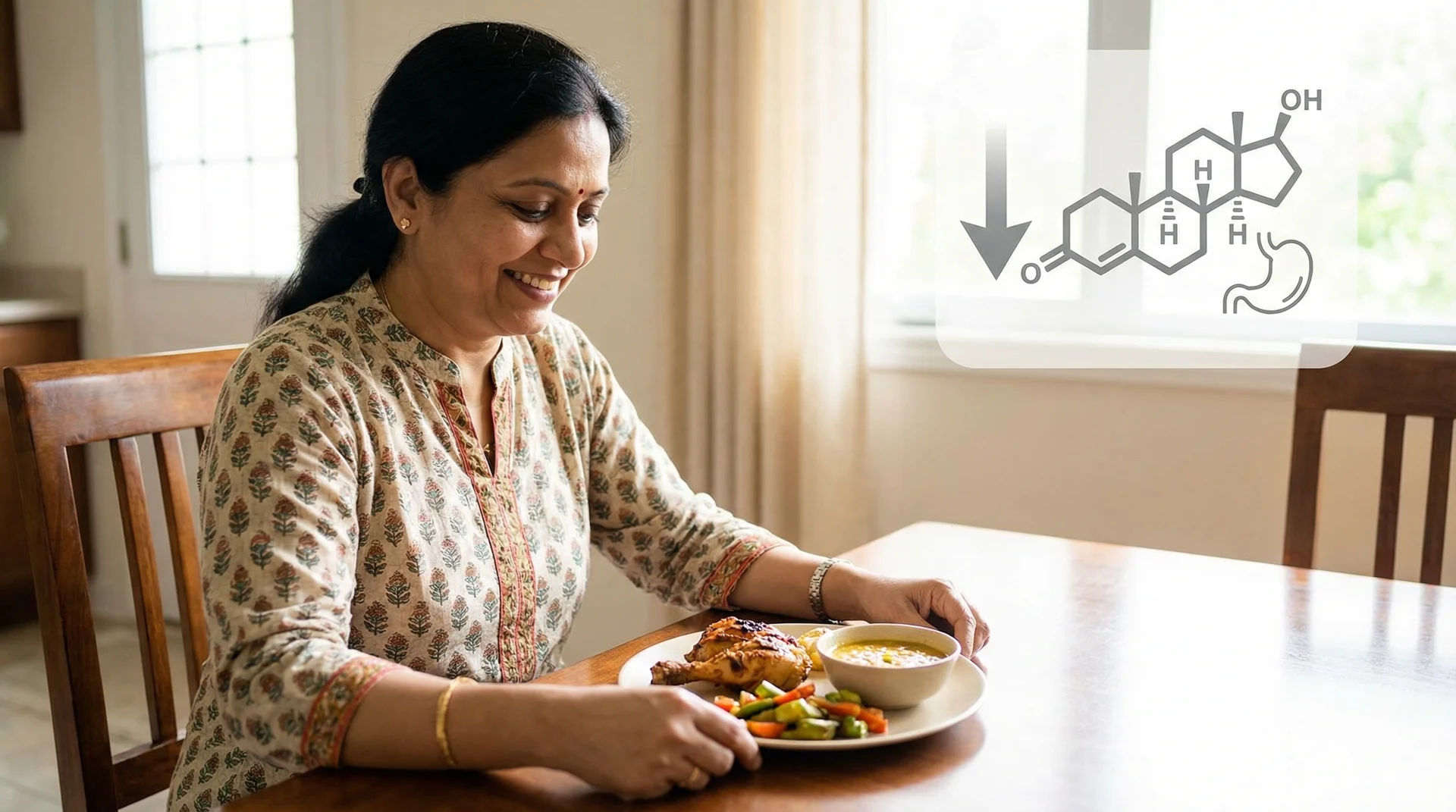
Removal of the stomach portion that produces ghrelin helps reduce hunger and supports weight loss.
Effective weight loss
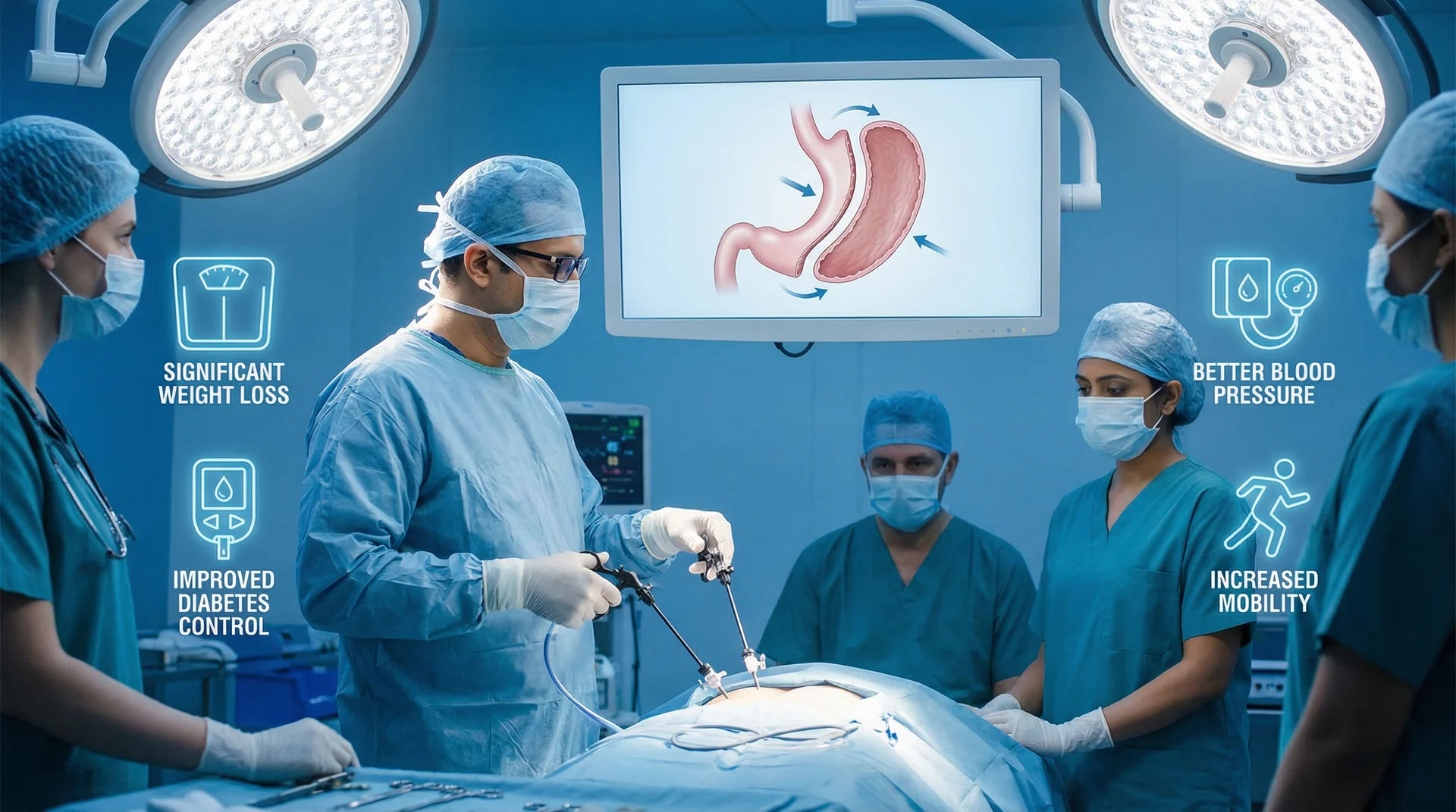
Consistent 50–60% excess weight loss in the first 1–2 years when combined with lifestyle changes.
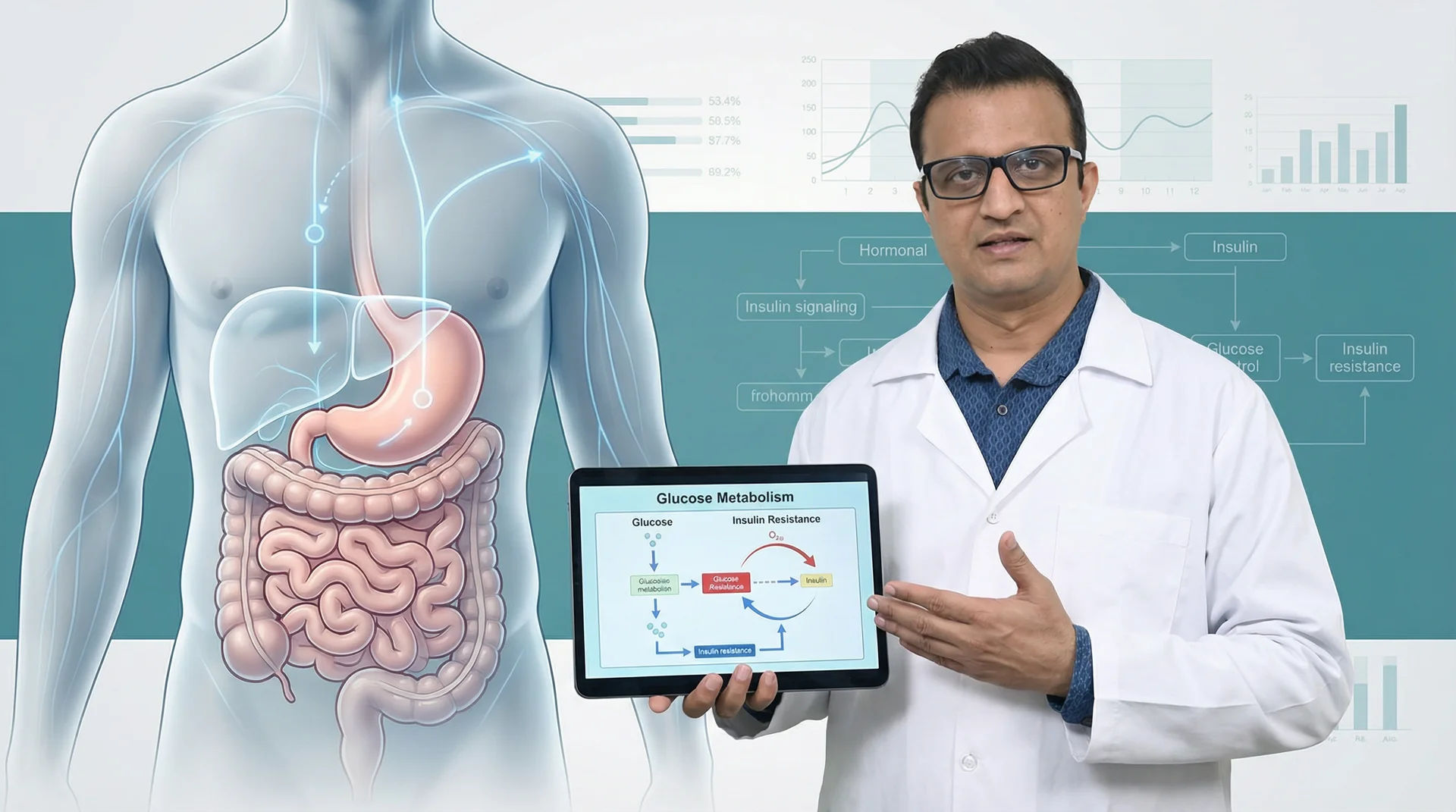
Metabolic benefits
Often improves or resolves type 2 diabetes, hypertension and sleep apnea.
The Process
From consultation to recovery
What to expect at each stage of your journey.
Consultation
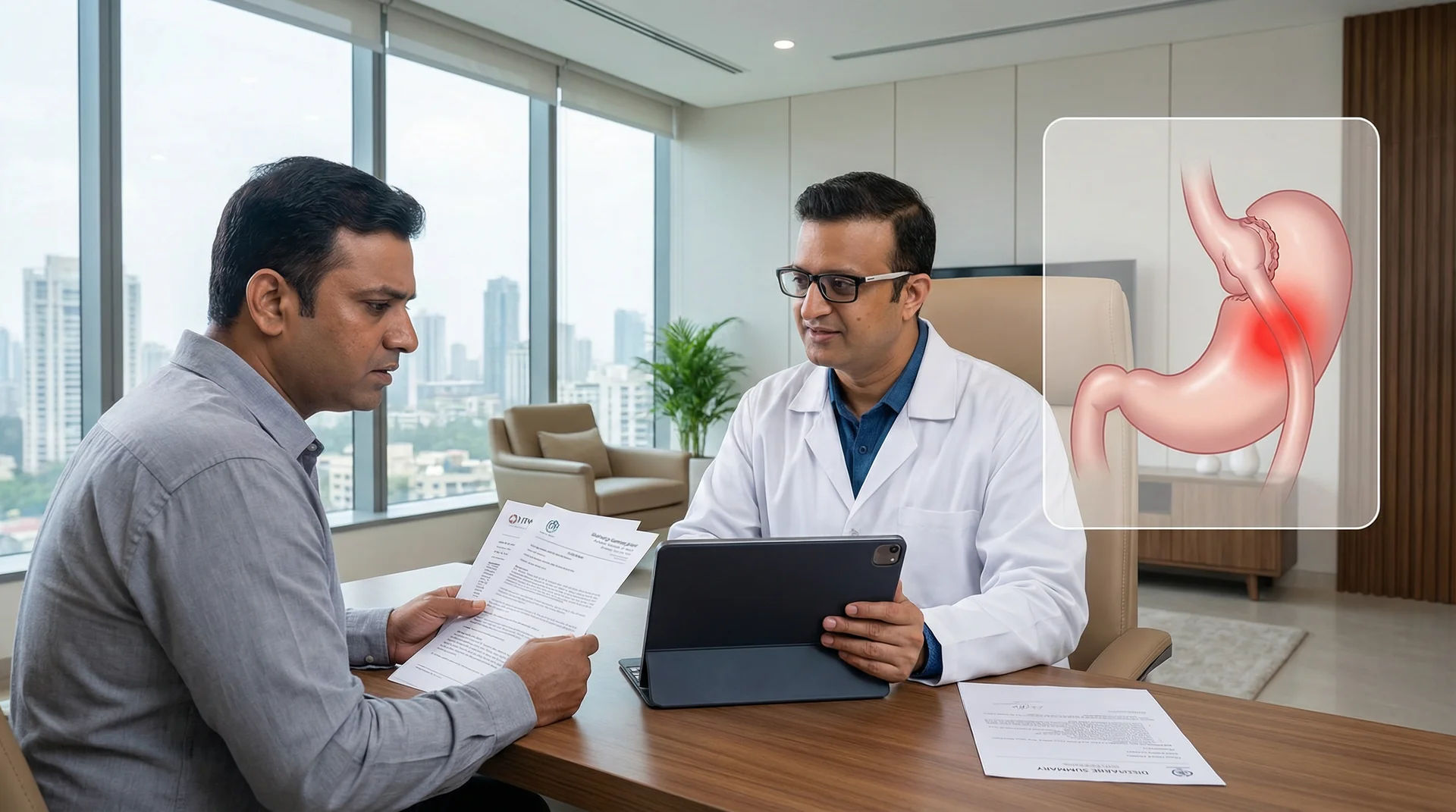
Assessment of BMI, medical history and goals; education on sleeve gastrectomy and alternatives.
Pre-operative preparation
Tests and possibly a short pre-op diet to reduce liver size and risk.
Surgery
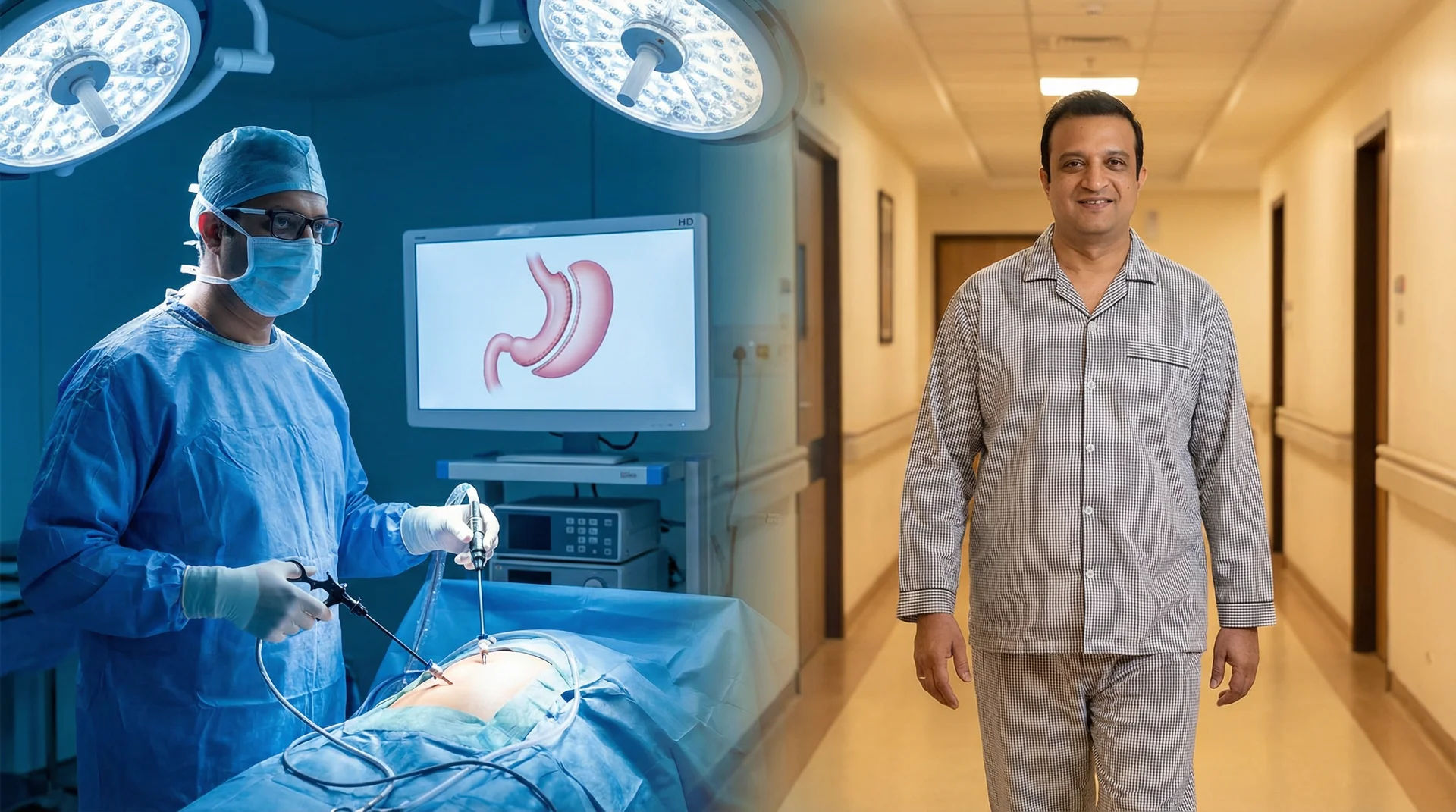
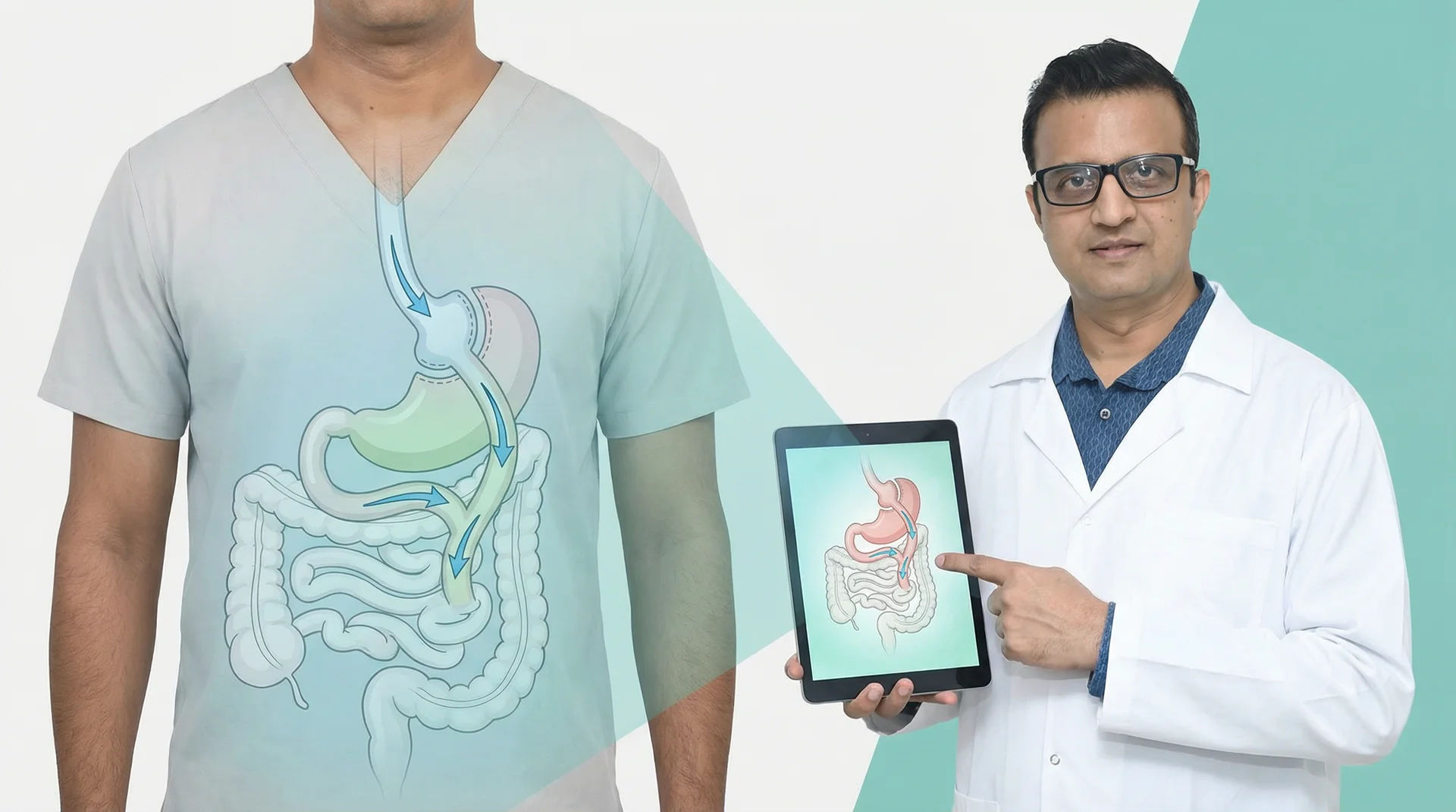
About 75–90% of the stomach is removed laparoscopically, leaving a narrow gastric tube.
Aftercare
Phased diet (liquid → puree → soft → solid), vitamins and regular follow-up.
Eligibility
Who is a good candidate?
This procedure may be right for you if the following apply.
- BMI ≥ 40, or BMI 35–39.9 with weight-related health problems (e.g. type 2 diabetes, sleep apnea)
- Motivated to adopt lasting diet and exercise habits
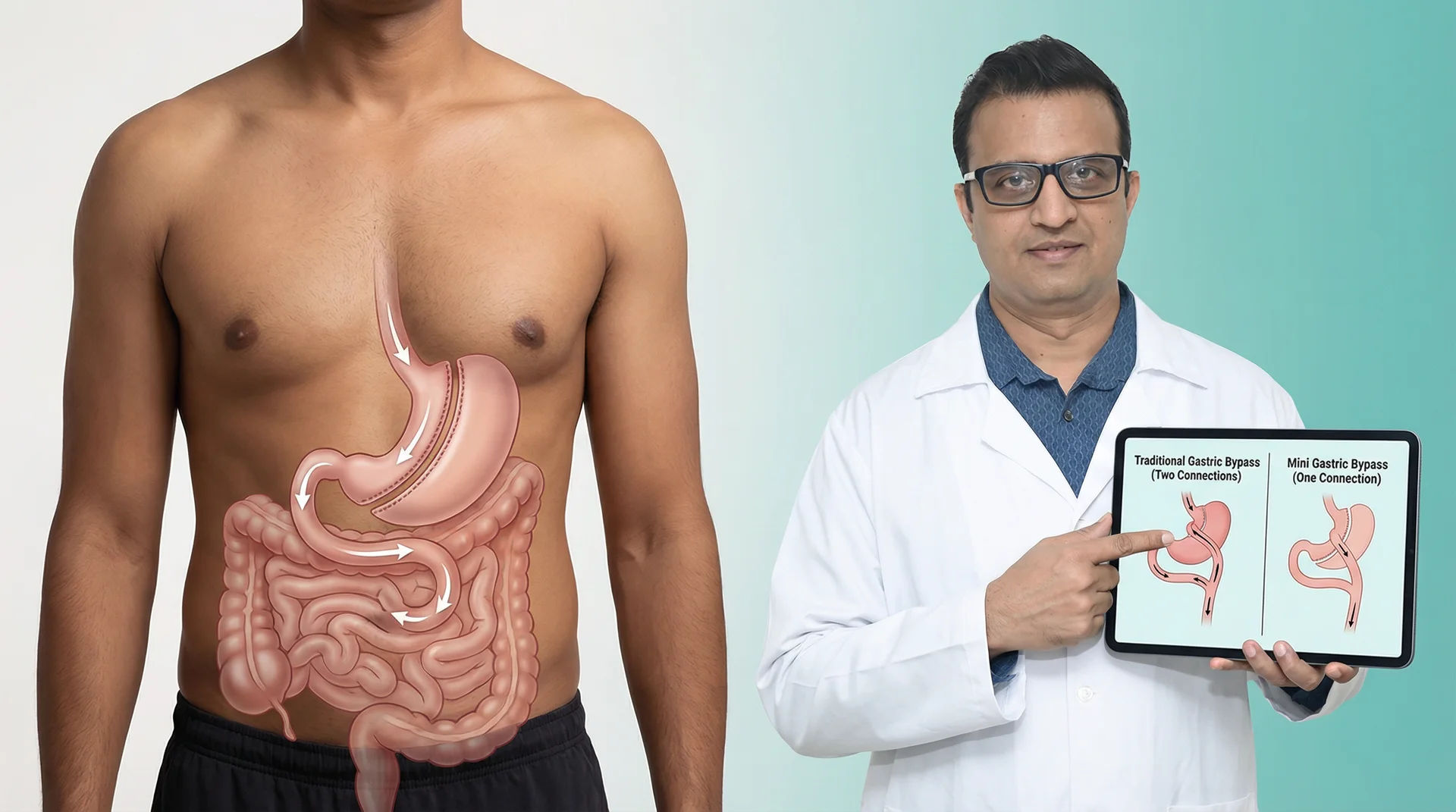
- Suitable for those who prefer a procedure without intestinal rerouting
About
About this procedure
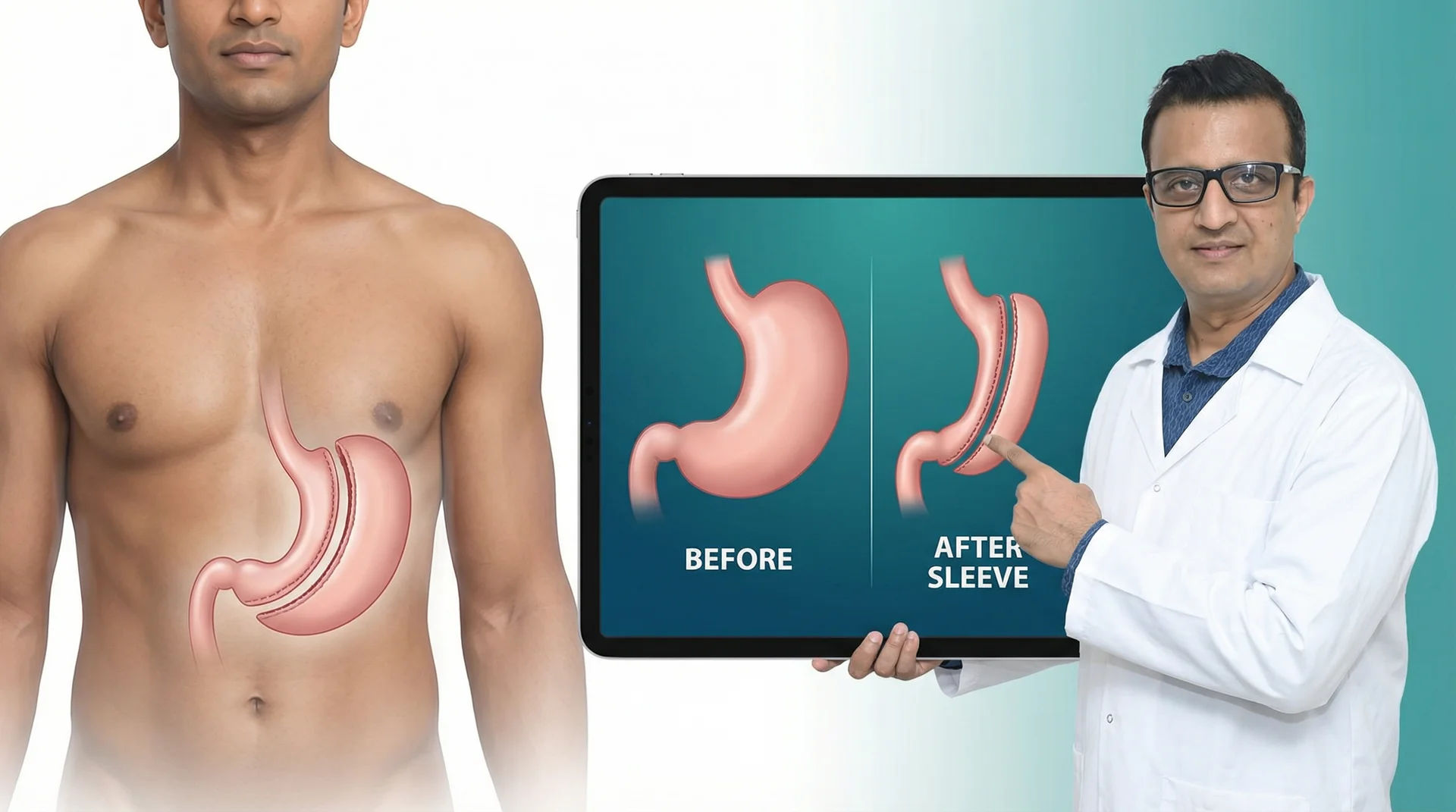
Laparoscopic sleeve gastrectomy (LSG) is a procedure where a portion of the stomach is removed, creating a smaller, vertical stomach, about 10 times smaller than the original. It is performed using minimally invasive technique: the surgeon makes several small incisions and uses a laparoscope or robot and specialised instruments to remove about 75–90% of the stomach, leaving a narrow gastric tube.
This procedure reduces the stomach's size, restricting the amount of food it can hold. It also alters the production of the gut hormone ghrelin, which regulates hunger, leading to decreased appetite. LSG is considered a relatively simpler procedure than gastric bypass and does not involve rerouting the intestines, which can simplify follow-up and reduce certain deficiency risks. It is one of the most commonly performed bariatric surgeries worldwide and is also used in metabolic surgery for type 2 diabetes.
Recovery
Recovery after sleeve gastrectomy
- 1Usually 1–2 nights in hospital.
- 2Return to light daily activities in about 1–2 weeks.
- 3Liquid diet for the first weeks, then gradual introduction of solid foods.
- 4Lifelong multivitamin and follow-up with your bariatric team.
Take the First Step
Discuss your options with Dr. Sharad Sharma
Book a consultation to find out if this procedure is right for you. Available in Mumbai and Navi Mumbai.
2,000+
Successful Procedures
15+
Years of Expertise
IFSO
International Member
Frequently asked questions
Find answers to common questions about this procedure.
Explore
Related procedures
Take the First Step
Book a consultation
Discuss your weight loss and metabolic surgery options with Dr. Sharad Sharma.
2,000+
Successful Procedures
15+
Years of Expertise
IFSO
International Member