Laparoscopic One Anastomosis Gastric Bypass (OAGB)
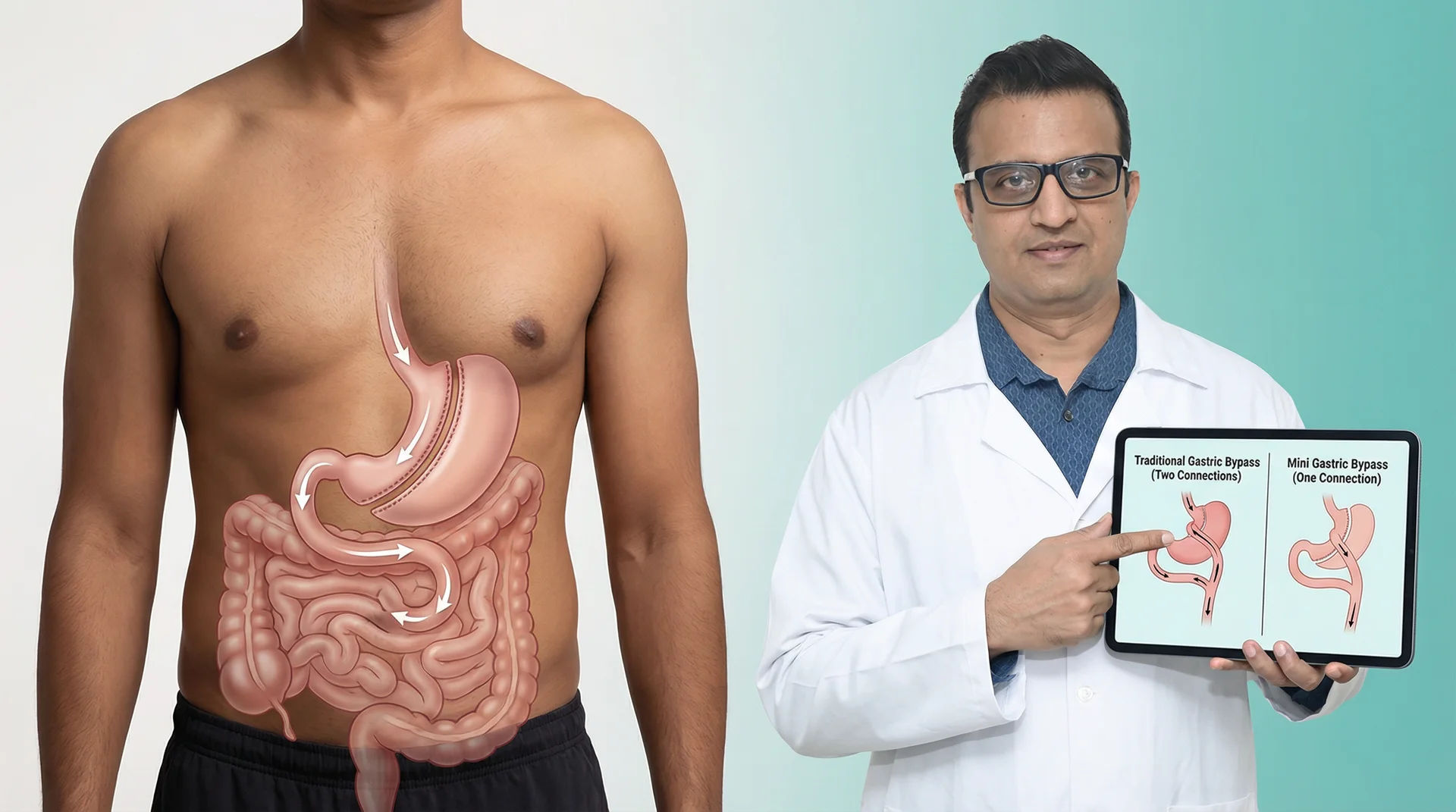
Also known as mini-gastric bypass or single anastomosis gastric bypass. Combines restriction and malabsorption with one connection for effective weight loss and metabolic improvement.
Benefits
Why choose Laparoscopic One Anastomosis Gastric Bypass (OAGB)
Why patients and doctors choose this approach for weight loss and metabolic health.
Simpler technique
One connection (anastomosis) between stomach pouch and intestine; often shorter operating time.
Effective weight loss
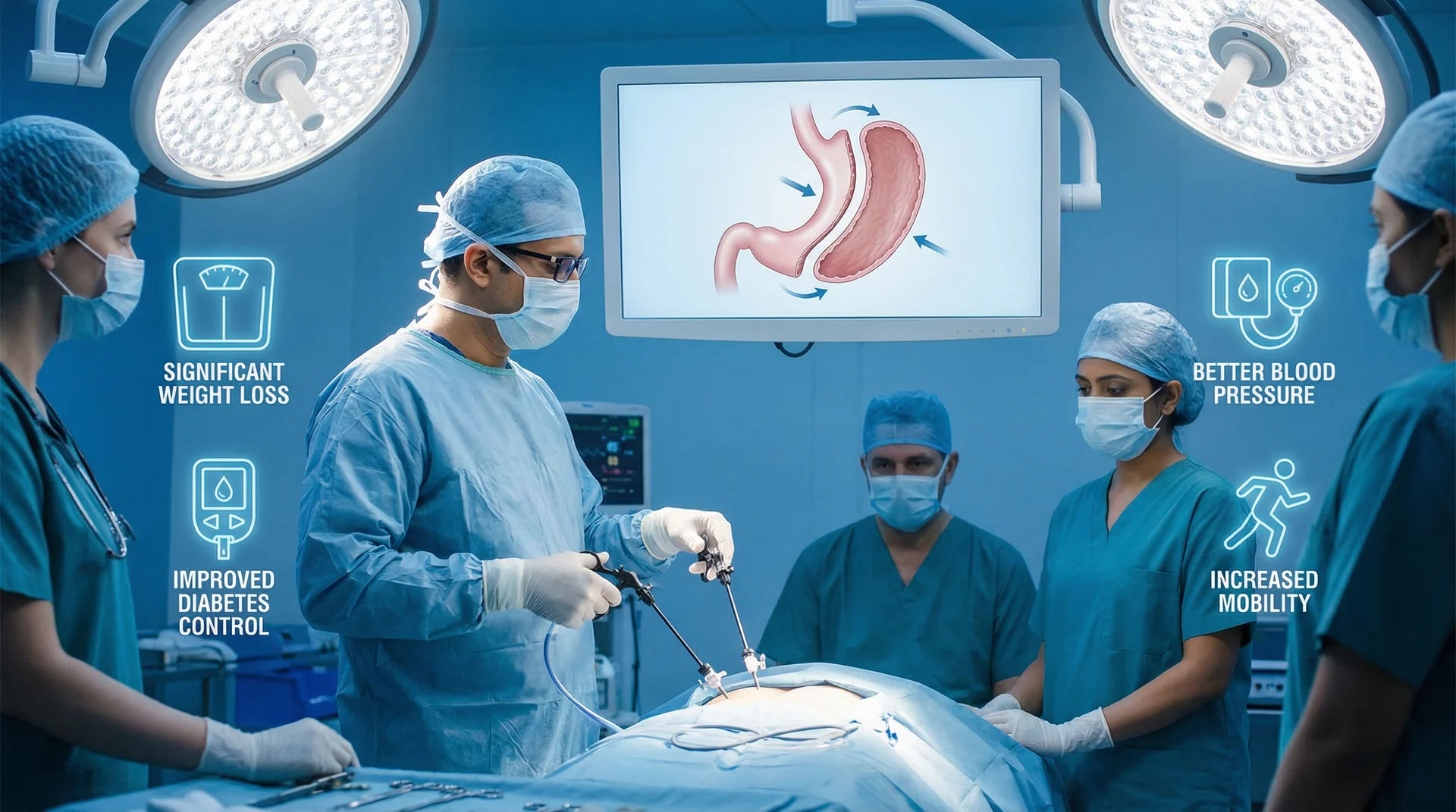
Comparable to Roux-en-Y in many studies with strong metabolic improvement.
Larger pouch than RYGB
Pouch size closer to sleeve; some find eating patterns more manageable.
Diabetes improvement
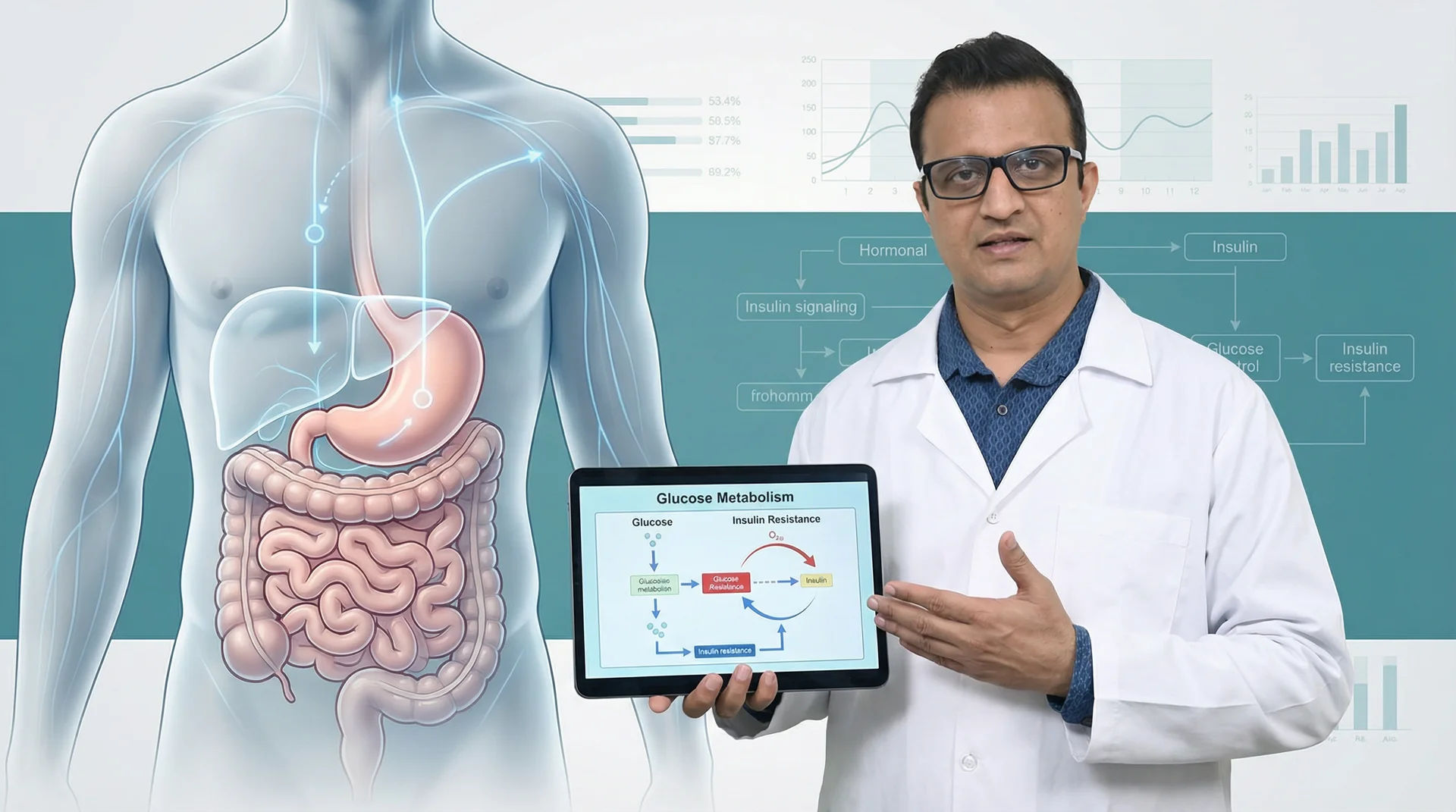
Frequently leads to significant improvement or remission of type 2 diabetes.
The Process
From consultation to recovery
What to expect at each stage of your journey.
Consultation
Assessment of BMI, comorbidities and goals; discussion of OAGB vs other procedures.
Pre-operative preparation
Routine tests and any pre-op diet or medical optimisation.
Surgery
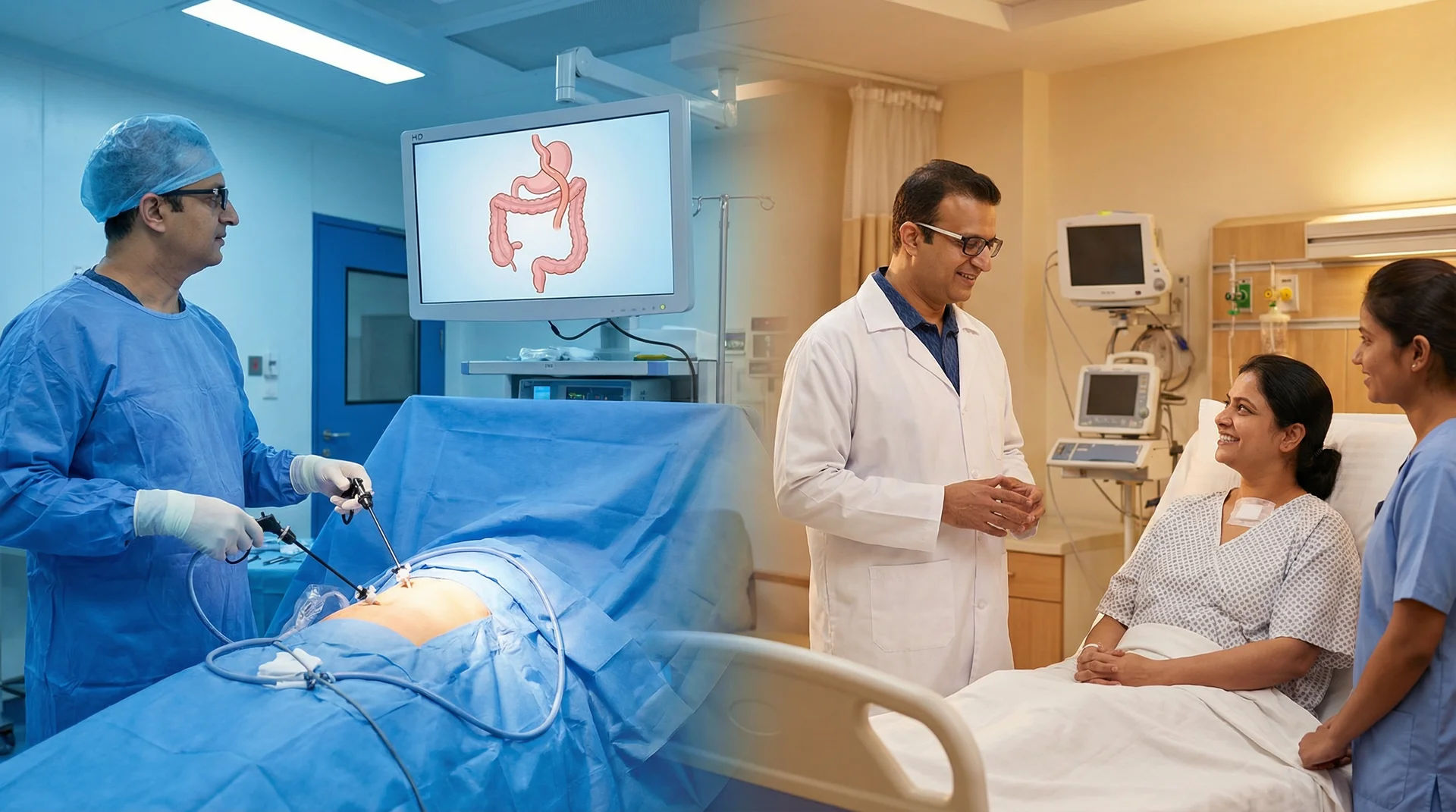
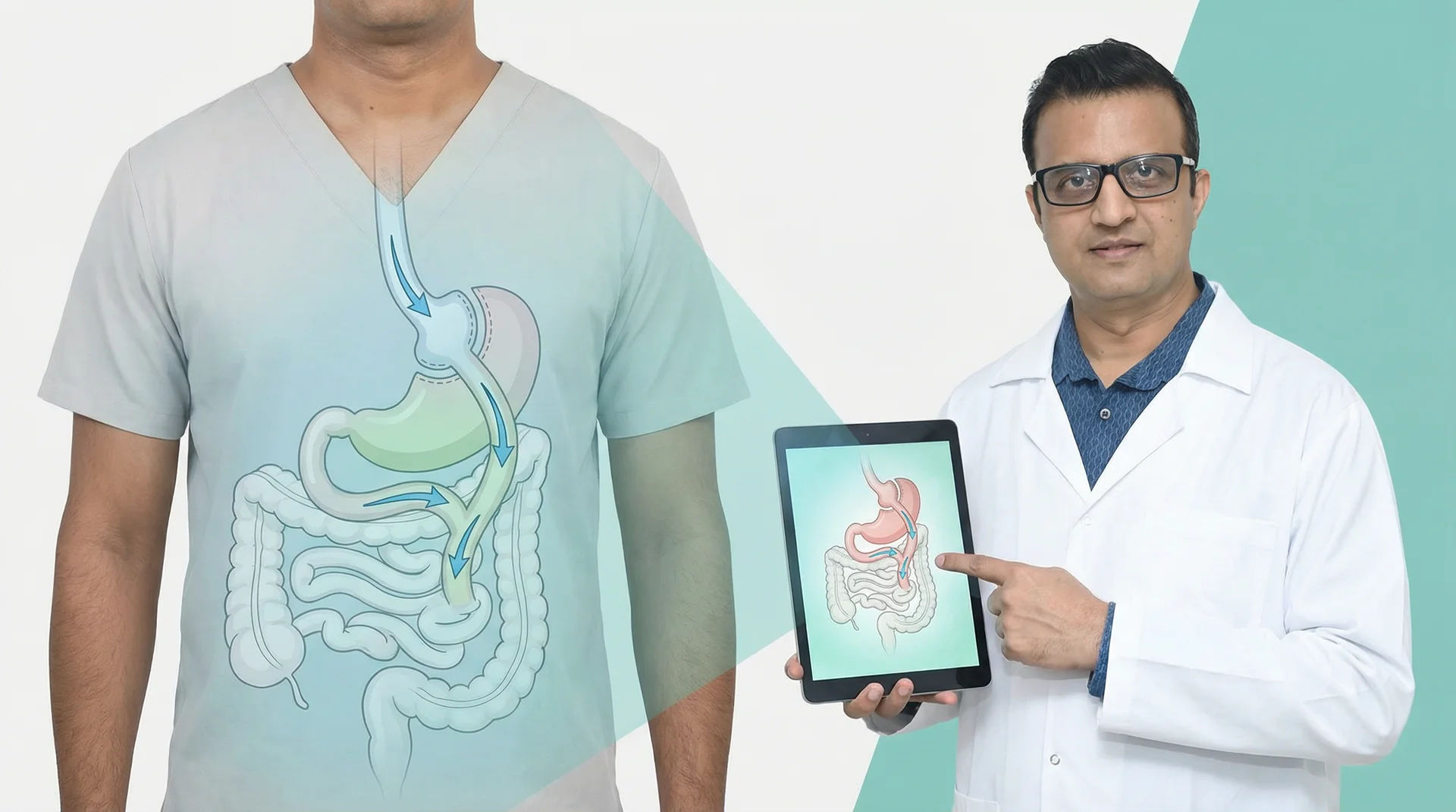
Creation of a tubular gastric pouch and a single loop connection to the small intestine.
Follow-up
Phased diet, vitamins (especially fat-soluble and B12) and regular check-ups.
Eligibility
Who is a good candidate?
This procedure may be right for you if the following apply.
- BMI ≥ 35 with or without weight-related conditions
- Suitable when Roux-en-Y is not preferred or when single-anastomosis approach is indicated
- Aware of possible bile reflux; evaluation for GERD and Barrett’s as needed
About
About this procedure
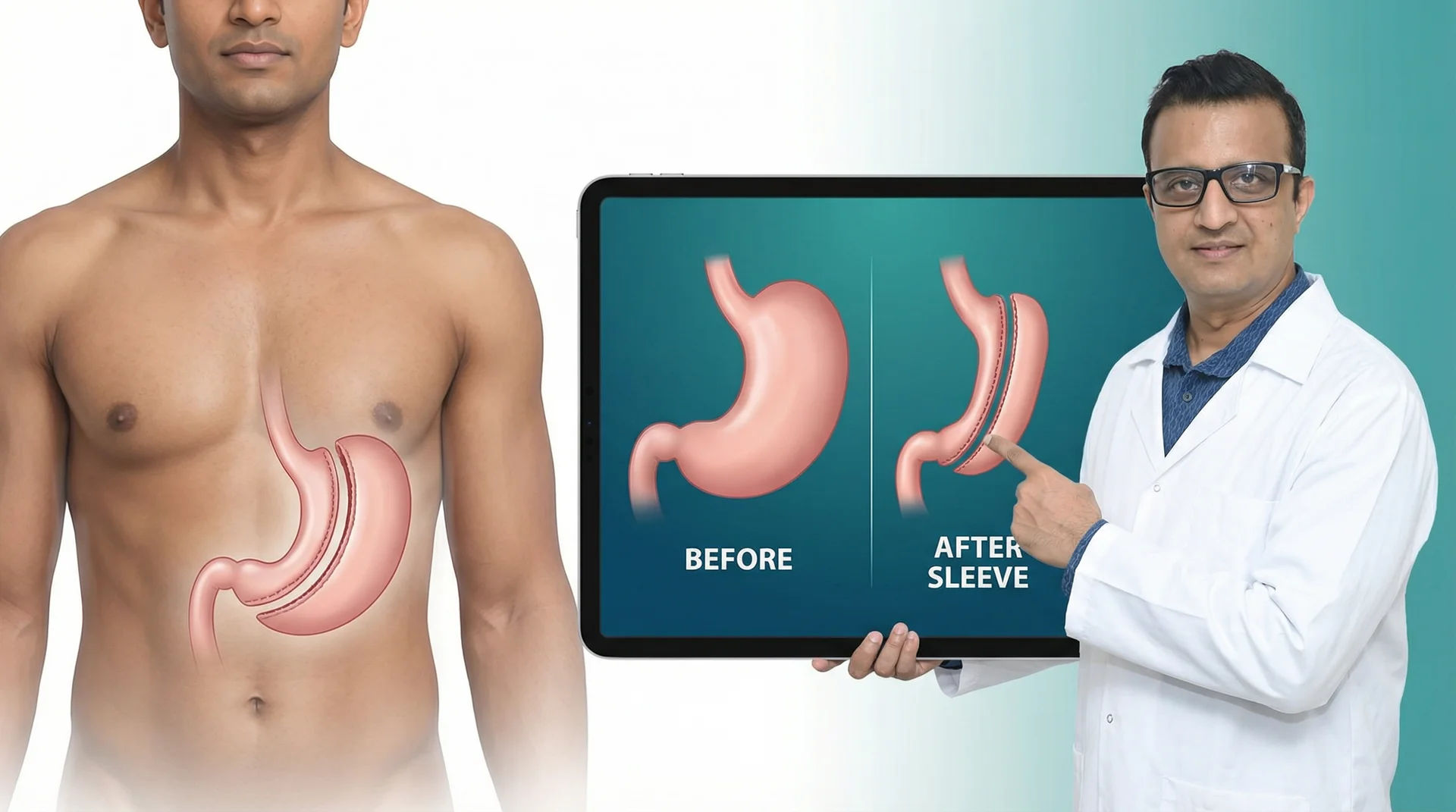
One Anastomosis Gastric Bypass (OAGB), also known as mini-gastric bypass or single anastomosis gastric bypass, is a type of weight-loss surgery that combines restrictive and malabsorptive elements. It differs from conventional Roux-en-Y gastric bypass by having a larger gastric pouch (about 200 ml), similar in concept to the sleeve, and a single loop connection between the small intestine (jejunum) and the pouch. It is more malabsorptive than restrictive and can deliver strong weight loss and type 2 diabetes improvement.
OAGB is performed laparoscopically (and in some centres robotically). It is important to be under the care of a bariatric team experienced in this procedure and in managing possible bile reflux. Long-term vitamin and mineral supplementation and follow-up are required, as with other bypass procedures. At Metabariatrics we offer OAGB as part of our full range of bariatric and metabolic surgery options in Mumbai and Navi Mumbai.
Recovery
Recovery after OAGB / mini gastric bypass
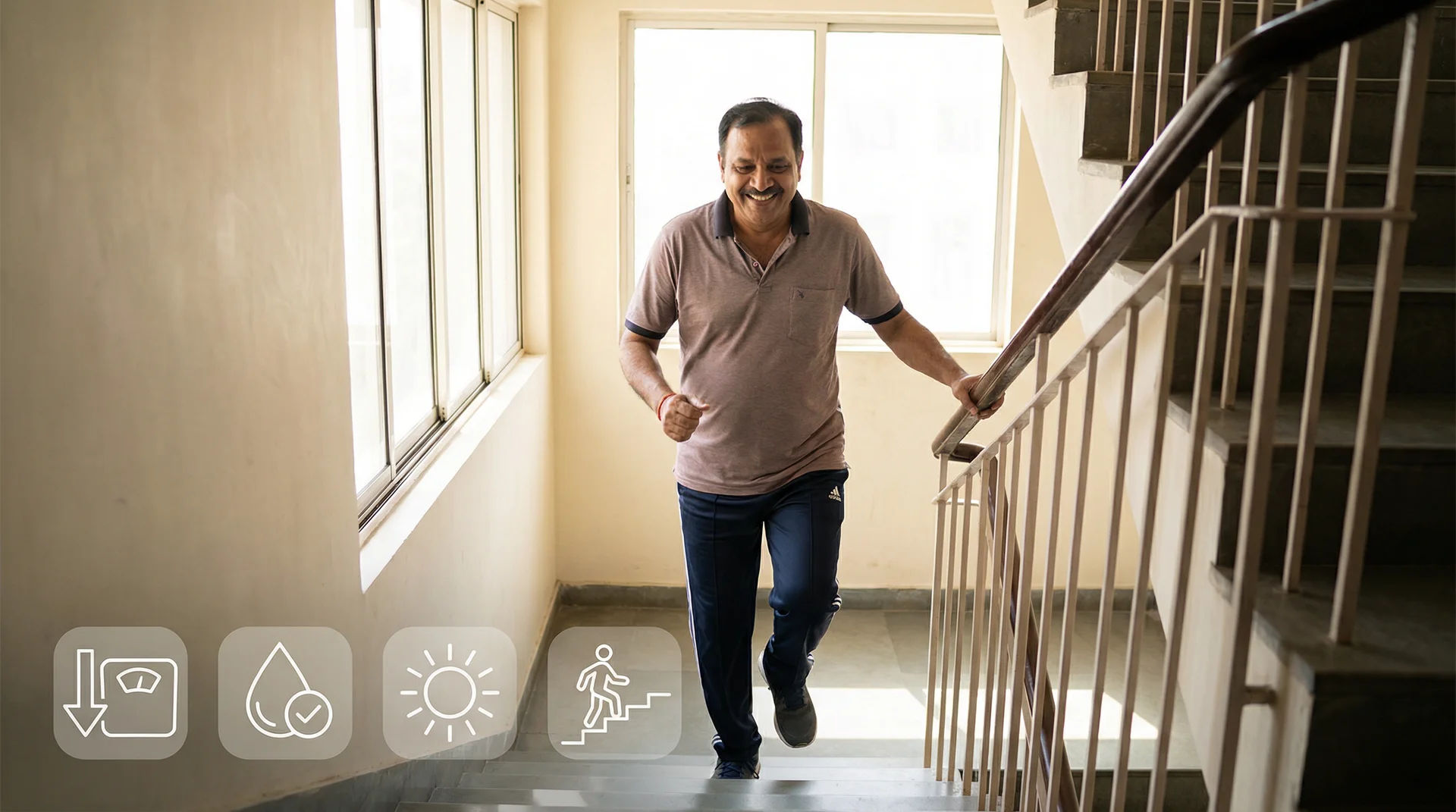
- 1Hospital stay usually 1–2 days.
- 2Light activities often resumed within 1–2 weeks.
- 3Liquid then soft diet; gradual transition to solids.
- 4Lifelong multivitamin and monitoring of vitamins and minerals.
Take the First Step
Discuss your options with Dr. Sharad Sharma
Book a consultation to find out if this procedure is right for you. Available in Mumbai and Navi Mumbai.
2,000+
Successful Procedures
15+
Years of Expertise
IFSO
International Member
Frequently asked questions
Find answers to common questions about this procedure.
Explore
Related procedures
Take the First Step
Book a consultation
Discuss your weight loss and metabolic surgery options with Dr. Sharad Sharma.
2,000+
Successful Procedures
15+
Years of Expertise
IFSO
International Member