Laparoscopic Roux-en-Y Gastric Bypass (RYGB)
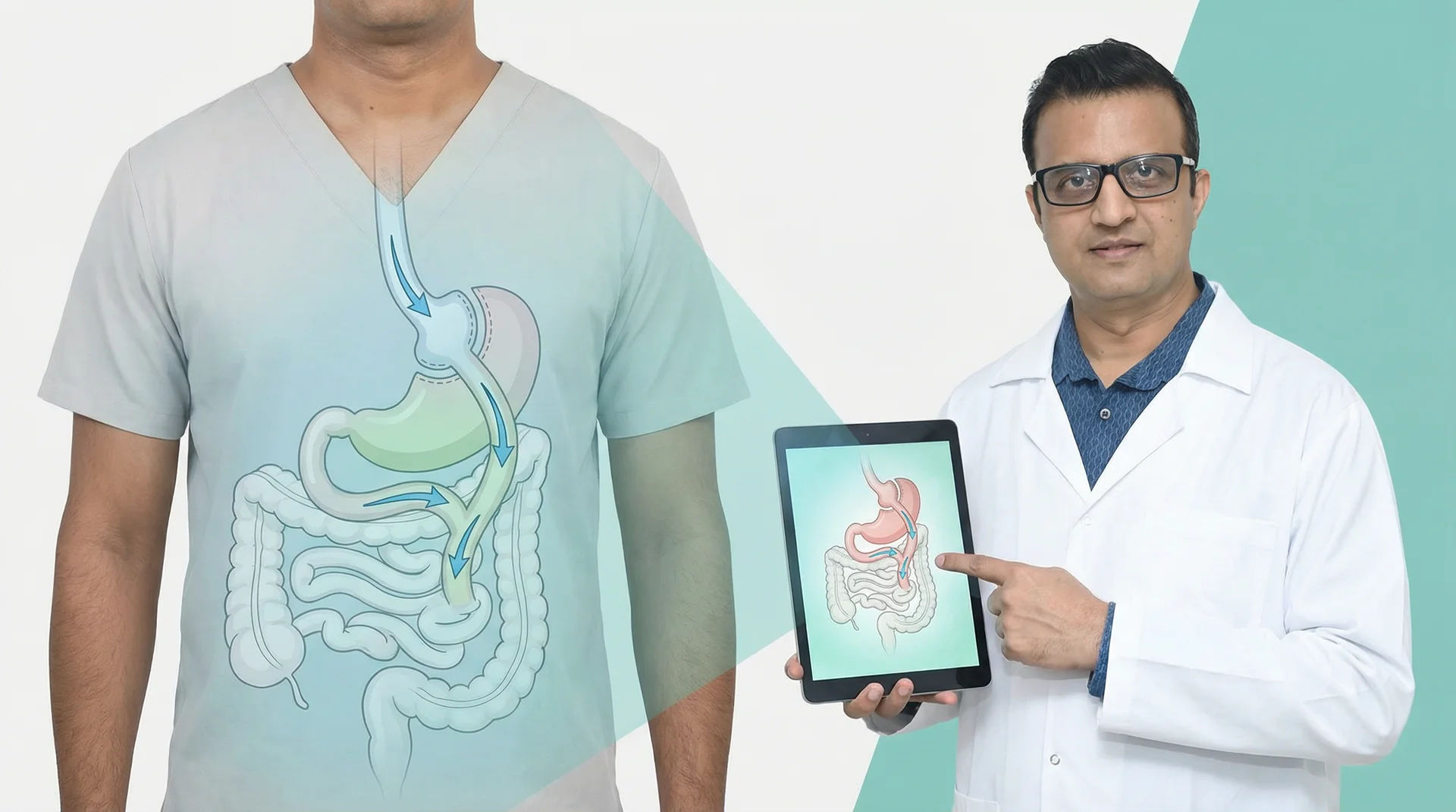
Creating a small stomach pouch connected to the small intestine, bypassing part of the stomach and duodenum. One of the most effective procedures for weight loss and type 2 diabetes remission.
Benefits
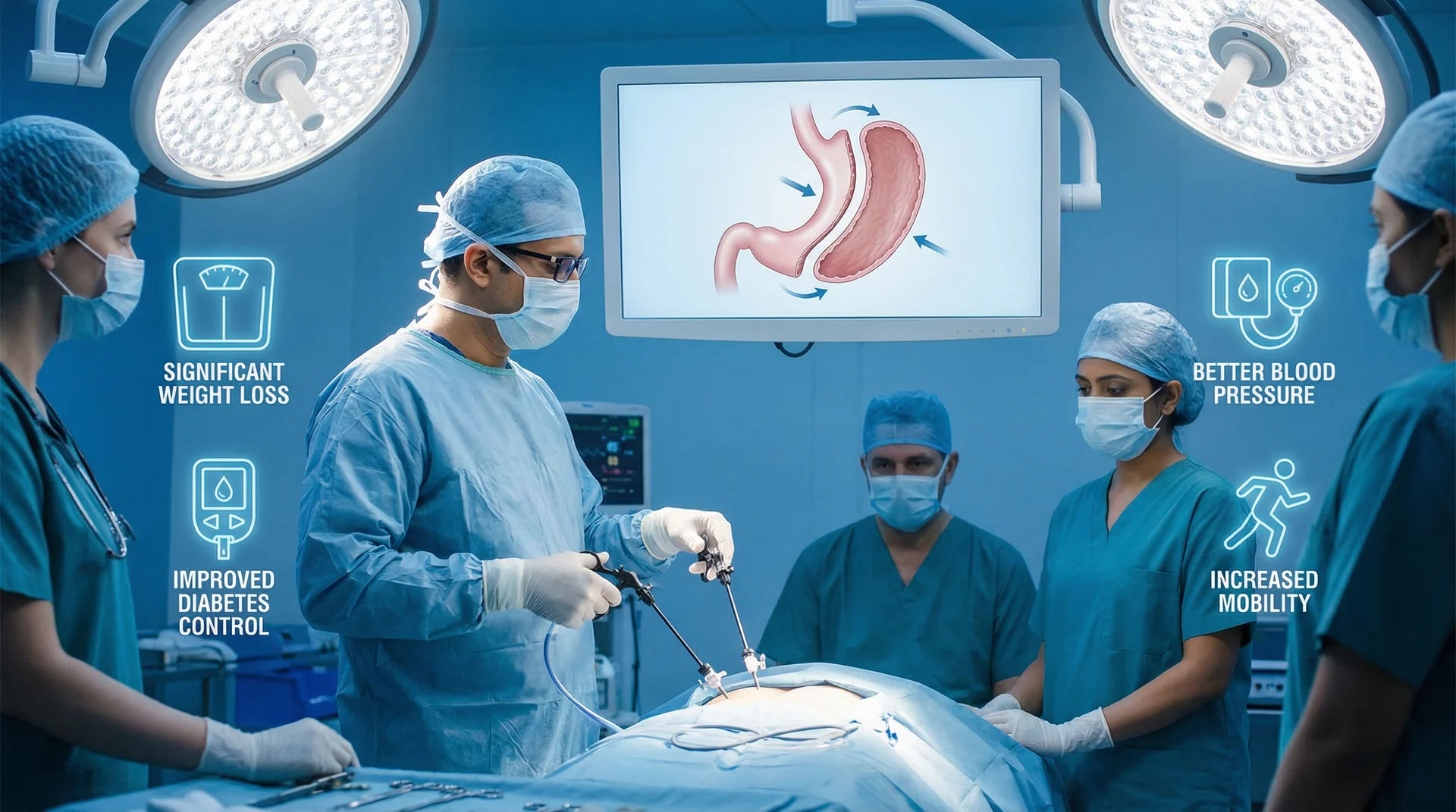
Why choose Laparoscopic Roux-en-Y Gastric Bypass (RYGB)
Why patients and doctors choose this approach for weight loss and metabolic health.
Dual mechanism
Small stomach pouch limits food intake; bypassed intestine reduces absorption of calories and nutrients.
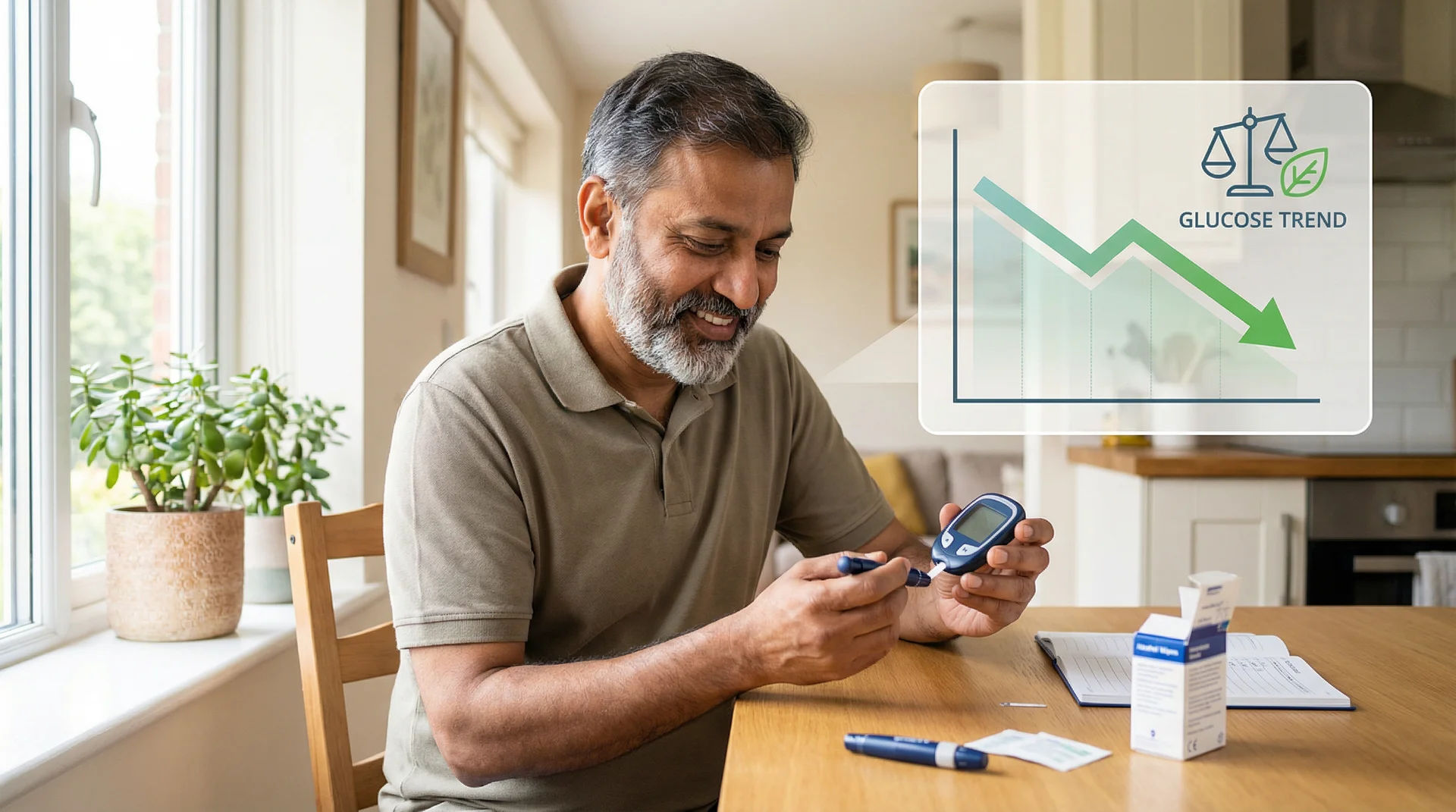
Diabetes remission
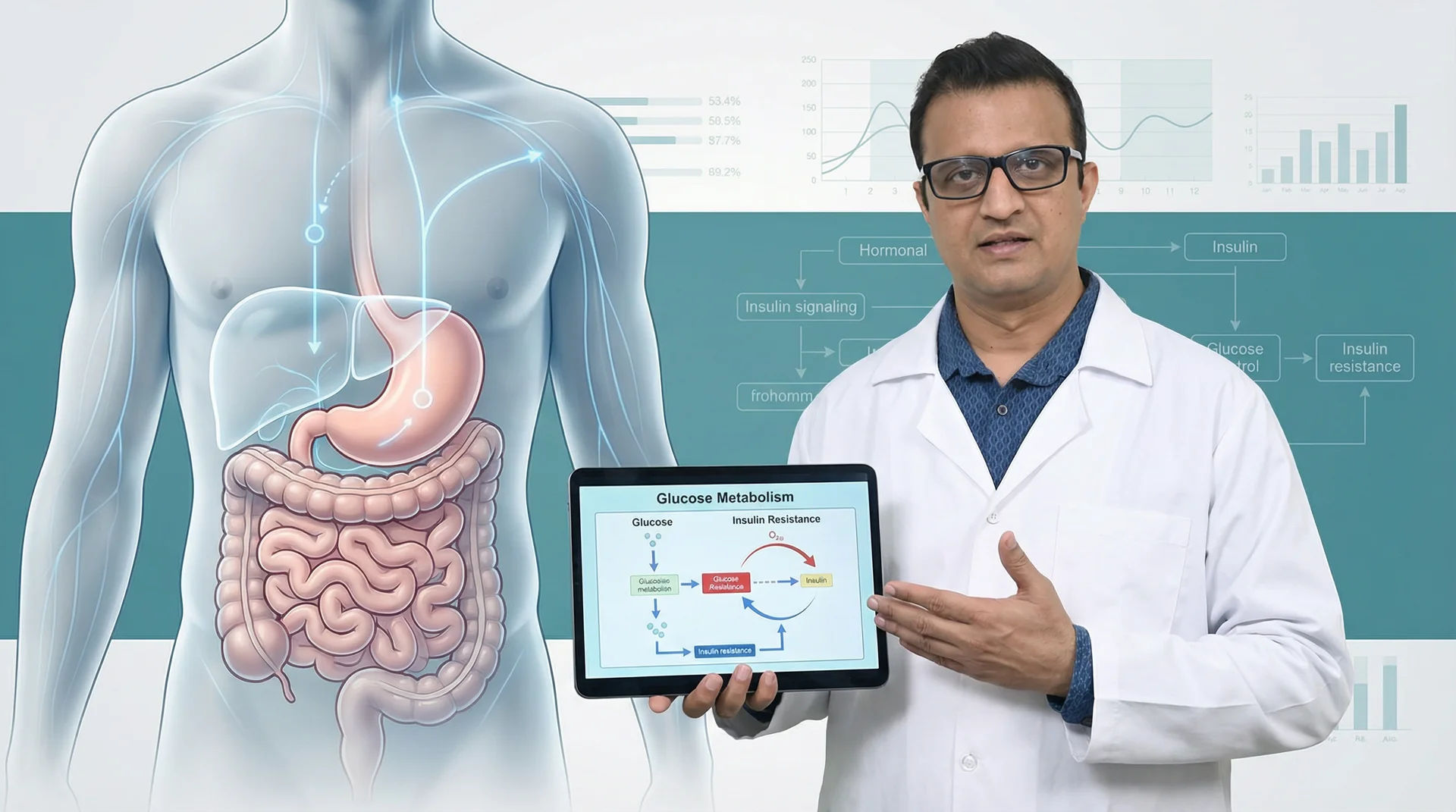
Roux-en-Y gastric bypass is one of the most effective procedures for type 2 diabetes remission.
Durable weight loss
Often associated with better long-term weight maintenance compared with sleeve alone.
Anatomically reversible
No permanent removal of stomach or intestine; reversal is possible if medically needed.
The Process
From consultation to recovery
What to expect at each stage of your journey.
Evaluation
Full medical and surgical history, BMI and metabolic assessment to confirm suitability.
Pre-operative workup
Blood tests, imaging and specialist referrals as required.
Surgery
Creation of a small stomach pouch and connection to the small intestine (Y-shaped reconstruction).
Long-term care
Staged diet, vitamin and mineral supplementation, and lifelong follow-up.
Eligibility
Who is a good candidate?
This procedure may be right for you if the following apply.
- BMI ≥ 40 or BMI 35–39.9 with serious obesity-related conditions
- Particularly considered when type 2 diabetes or severe reflux is present
- Willing to commit to lifelong vitamins and follow-up
About
About this procedure
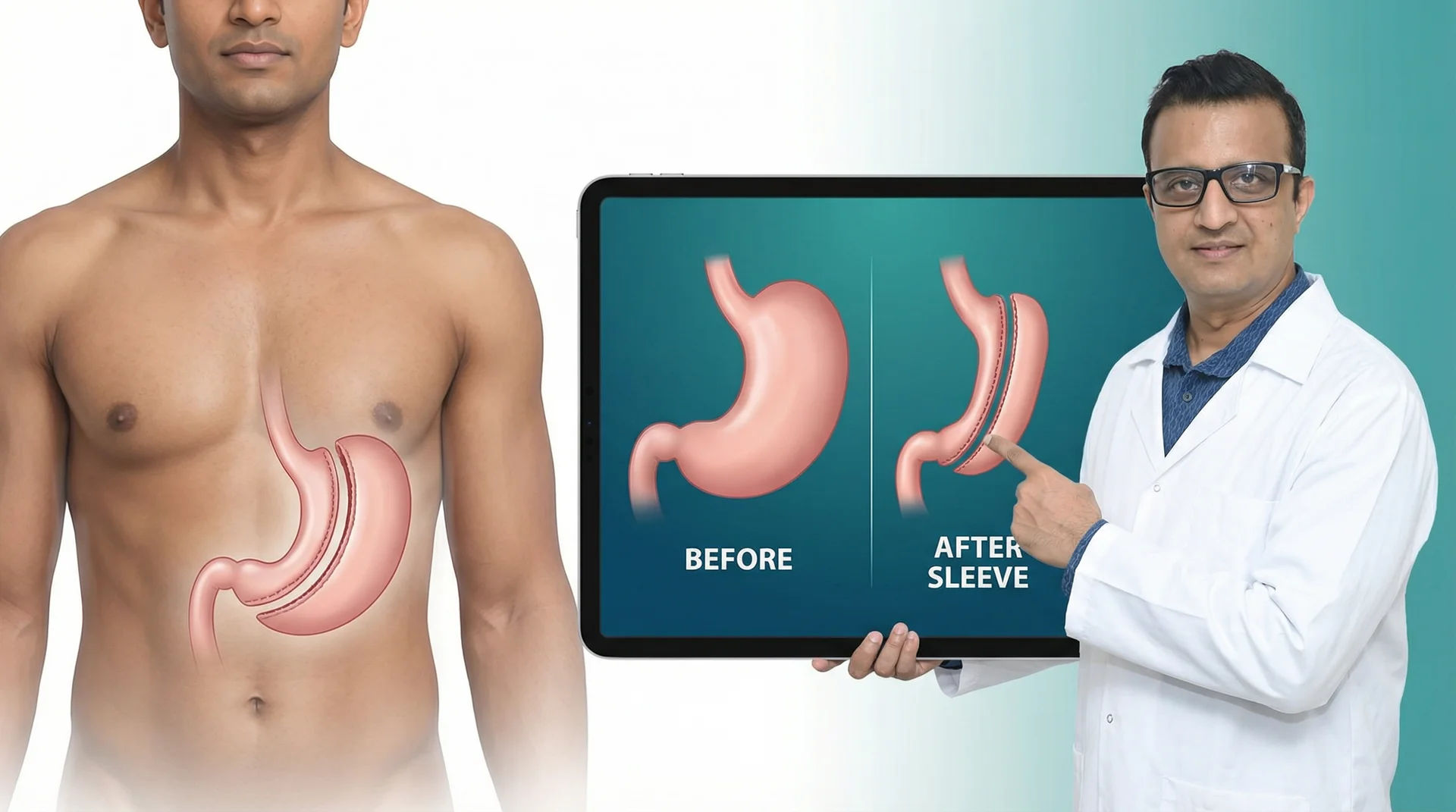
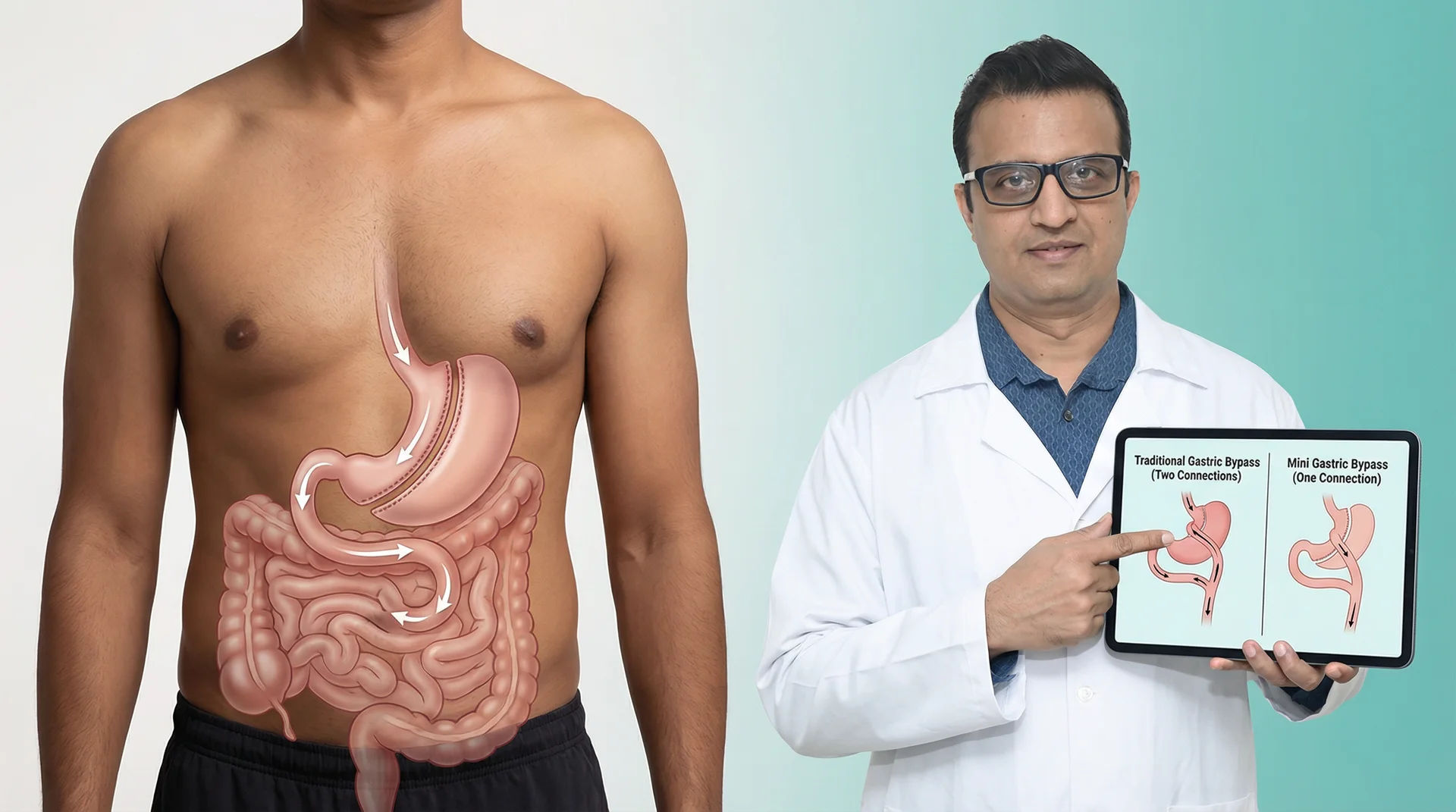
The procedure involves creating a small stomach pouch (approximately 30 ml) by stapling and separating it from the rest of the stomach. This pouch is then connected directly to the small intestine, bypassing most of the stomach and the first part of the small intestine (the duodenum). The reconstruction forms a "Y" shape, which gives the surgery its name: Roux-en-Y gastric bypass (RYGB).
This rearrangement alters how food is digested and absorbed. It works by both restricting food intake and reducing absorption of calories and certain nutrients. Though more complex than sleeve gastrectomy, it is a metabolically powerful operation with strong long-term weight maintenance and diabetes remission rates. No part of the stomach or intestine is removed, so the anatomy is technically reversible if ever required. It is commonly offered for obesity and metabolic surgery for type 2 diabetes, and can be performed robotically for enhanced precision.
Recovery
Recovery after gastric bypass
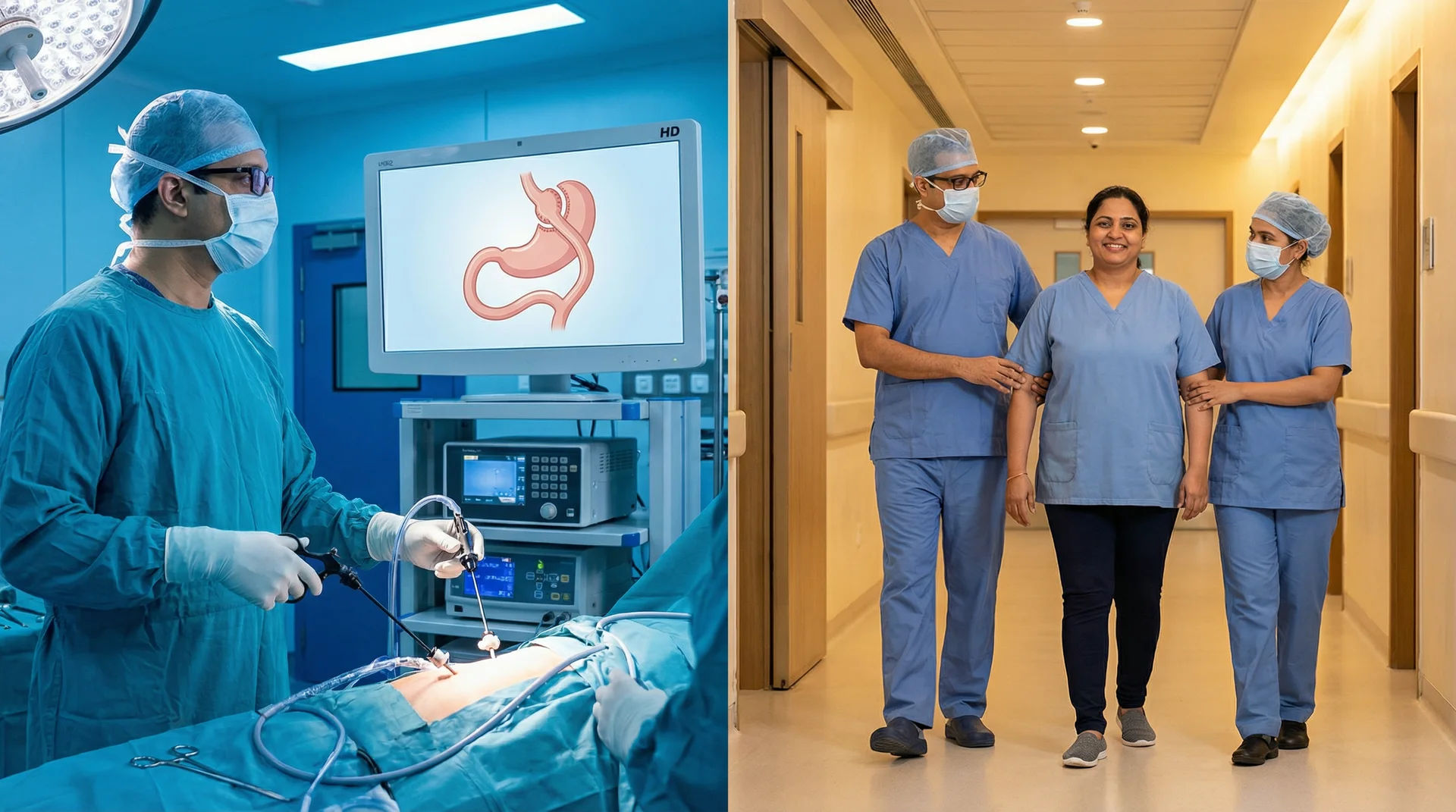
- 1Hospital stay typically 2–3 days.
- 2Most return to light activities within 2–3 weeks.
- 3Strict liquid and puree phase; gradual progression to solid foods.
- 4Lifelong multivitamin, B12, and possibly calcium; annual blood tests recommended.
Take the First Step
Discuss your options with Dr. Sharad Sharma
Book a consultation to find out if this procedure is right for you. Available in Mumbai and Navi Mumbai.
2,000+
Successful Procedures
15+
Years of Expertise
IFSO
International Member
Frequently asked questions
Find answers to common questions about this procedure.
Explore
Related procedures
Take the First Step
Book a consultation
Discuss your weight loss and metabolic surgery options with Dr. Sharad Sharma.
2,000+
Successful Procedures
15+
Years of Expertise
IFSO
International Member